High-Protein Vietnamese Food: What to Order (Including Pho)
Vietnamese food is lighter than most Southeast Asian cuisines by default — grilled meats, fresh herbs and fish-sauce broths instead of heavy curries — but that doesn't automatically make every order protein-dense. Pho looks like a protein bowl and mostly isn't: the broth is nearly protein-free and a full serving of rice noodles carries as many calories as the meat, so how much beef or chicken you actually get decides whether a bowl lands in Gold or slips toward Silver. Grilled lemongrass chicken and fresh (unfried) spring rolls are the real Platinum-tier orders. Fried spring rolls and a traditionally-loaded banh mi — baguette, pâté, mayo — are the traps.
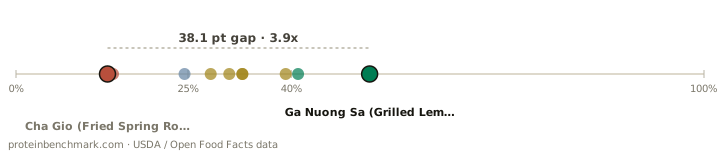
10 dishes ranked by Protein Density · best pick: Ga Nuong Sa (Grilled Lemongrass Chicken) (51.4%) · estimates from USDA SR-Legacy ingredient data
The ranking
Sorted by Protein Density (% of calories from protein). Platinum 40%+ · Gold 25–39% · Silver 15–24% · Avoid under 15%. Every figure is an estimate (est.).
| # | Dish | Protein | Calories | Density % of calories from protein | g / 100 cal | Tier | Quality |
|---|---|---|---|---|---|---|---|
| 1 | Ga Nuong Sa (Grilled Lemongrass Chicken) 1 serving (~150 g grilled, marinated chicken thigh, no rice) | 37.4g | 291 | 51.4%est. | 12.9g | Platinum | Complete |
| 2 | Goi Cuon (Fresh Spring Rolls, Shrimp & Pork) 2 rolls (~70 g shrimp, 40 g pork, vermicelli, rice paper, peanut-hoisin sauce) | 29.1g | 284 | 41%est. | 10.2g | Platinum | Complete |
| 3 | Pho Tai (Rare Beef Pho) 1 bowl (~90 g thin-sliced raw beef, cooked by the hot broth, with rice noodles) | 42.5g | 434 | 39.2%est. | 9.8g | Gold | Complete |
| 4 | Pho Ga (Chicken Pho) 1 bowl (~110 g poached, shredded chicken with skin, rice noodles, broth) | 43.3g | 526 | 32.9%est. | 8.2g | Gold | Complete |
| 5 | Bun Bo Hue (Spicy Beef & Pork Vermicelli Soup) 1 bowl (~80 g beef shank, 60 g pork, thick vermicelli, spicy lemongrass-chili broth) | 56g | 680 | 32.9%est. | 8.2g | Gold | Complete |
| 6 | Pho Bo Vien (Beef Meatball Pho) 1 bowl (~100 g beef meatballs, rice noodles, broth) | 41.5g | 535 | 31%est. | 7.8g | Gold | Complete |
| 7 | Com Tam Suon Nuong (Broken Rice with Grilled Pork Chop) 1 plate (~150 g grilled bone-in pork chop, broken rice, scallion oil) | 46g | 650 | 28.3%est. | 7.1g | Gold | Complete |
| 8 | Bun Cha (Grilled Pork with Vermicelli) 1 bowl (~150 g grilled pork patties, vermicelli noodles, dipping broth) | 44.2g | 723 | 24.5%est. | 6.1g | Silver | Complete |
| 9 | Banh Mi Thit (Vietnamese Pork Sandwich, Pate & Mayo) 1 sandwich (~100 g baguette, 45 g cold cuts, 35 g pate, mayo, pickled vegetables) | 23.8g | 675 | 14.1%est. | 3.5g | Avoid | Complete |
| 10 | Cha Gio (Fried Spring Rolls) 4 pieces (~55 g pork filling, fried wheat wrapper, absorbed oil) | 17.6g | 530 | 13.3%est. | 3.3g | Avoid | Complete |
What to order
The single best protein-density order on most Vietnamese menus — lemongrass-marinated grilled chicken thigh with no rice or noodles attached. Order it as a side plate rather than over rice if density is the goal.
~37.4g protein · 291 kcal · 51.4% (est.)
The best protein-density order on a Vietnamese menu that isn't a straight grilled protein — shrimp and pork wrapped in rice paper with barely any starch. Go easy on the peanut-hoisin sauce; it's the one part that isn't protein.
~29.1g protein · 284 kcal · 41% (est.)
Ask for extra beef and go light on the noodles — the lean, thin-sliced eye-round beef is nearly all protein; it's the broth and rice noodles that keep a full bowl out of Platinum.
~42.5g protein · 434 kcal · 39.2% (est.)
Traditional pho ga is poached with the skin on for flavor. Ask for breast meat and skip the skin if you want a leaner, more protein-dense bowl.
~43.3g protein · 526 kcal · 32.9% (est.)
A heartier bowl than a plain pho — the beef-and-pork combo and thick rice vermicelli make this one of the most filling high-protein soups on a Vietnamese menu. The chili oil on top adds flavor and calories, not protein, so don't over-order it.
~56g protein · 680 kcal · 32.9% (est.)
Bo vien (springy beef meatballs) run fattier than sliced eye-round beef, which is why this bowl scores lower than pho tai for the same amount of broth and noodles. Ask for extra meatballs if protein is the goal.
~41.5g protein · 535 kcal · 31% (est.)
Ask for an extra chop and go light on the scallion oil drizzle — broken rice is nutritionally close to regular white rice, and the oil adds calories without protein.
~46g protein · 650 kcal · 28.3% (est.)
Ask for extra cha (grilled pork patties) and less noodle — the vermicelli and the sweet, diluted nuoc cham dipping broth are what pull a generously-meated bowl down to Silver.
~44.2g protein · 723 kcal · 24.5% (est.)
What looks like protein but isn't
Popular Vietnamese orders that the Protein Density math drops to Silver or Avoid.
A full baguette, a generous smear of pate and mayo, plus cold cuts add up to more calories from bread and fat than from meat — a traditionally-loaded banh mi lands in Avoid tier. It's a legitimately great sandwich, just not a high-protein order as typically built. Ask for extra meat, less pate, and light mayo to pull it toward Silver.
~23.8g protein · 675 kcal · 14.1% (est.)
Deep-frying soaks the wrapper in oil — even with a real ground-pork filling, the fried wrapper and absorbed frying oil add far more calories than the pork adds protein, landing four pieces firmly in Avoid tier. It's a side, not a protein source.
~17.6g protein · 530 kcal · 13.3% (est.)
How much protein do you need at this meal?
Order against a target, not a guess. Run your daily protein number, then use this ranking to hit it when you're out — or see how to do it on a suppressed appetite.
Vietnamese protein FAQ
Is pho high in protein?
It depends on the bowl, not just the dish name. Pho tai (rare, thin-sliced lean beef) and pho ga (poached chicken) both land Gold tier with a generous meat portion, because the broth itself is nearly protein-free and a full bowl of rice noodles adds a lot of the calories. Pho bo vien (beef meatballs) scores a bit lower — meatballs are fattier than sliced lean beef for the same weight. Ask for extra meat and go light on the noodles if you want a bowl to land closer to Platinum.
What should I order at a Vietnamese restaurant for protein?
Grilled lemongrass chicken (ga nuong sa) ordered on its own, without rice, is the single best protein-density order on most Vietnamese menus — Platinum tier. Fresh spring rolls (goi cuon) with shrimp and pork are close behind and make a genuinely high-protein appetizer, unlike almost every other fried starter on the menu. Bun bo hue and a well-meated pho are solid Gold-tier mains if you want a bowl over a plate.
Is banh mi a good high-protein order?
Not as it's traditionally built. A full baguette, a smear of pâté, mayonnaise and cold cuts add up to more calories from bread and fat than from meat, which puts a classic banh mi thit in Avoid tier despite being a legitimately great sandwich. Ask for extra meat, light mayo and easy on the pâté to pull it toward Silver — or skip the bread entirely and order the same fillings as a rice plate (com tam) instead.
Which Vietnamese food has the most protein?
Ga Nuong Sa (Grilled Lemongrass Chicken) has the most protein per calorie among the Vietnamese dishes we track: 37.4g protein in 291 kcal (51.4% Protein Density, Platinum tier). Goi Cuon (Fresh Spring Rolls, Shrimp & Pork) (41%) and Pho Tai (Rare Beef Pho) (39.2%) follow close behind. That leaves cha gio (fried spring rolls) at the other end, at 13.3% (Avoid tier).
What is the highest protein Vietnamese takeout?
Ga Nuong Sa (Grilled Lemongrass Chicken) is the highest-protein order among the Vietnamese takeout dishes we track: 37.4g protein in 291 kcal (51.4% Protein Density, Platinum tier). Goi Cuon (Fresh Spring Rolls, Shrimp & Pork) (41%) and Pho Tai (Rare Beef Pho) (39.2%) are the next-best picks.
How much protein is in Vietnamese food?
Across the 10 Vietnamese dishes we track, protein ranges from 17.6g to 56g per serving, and Protein Density (the share of calories from protein) ranges from 13.3% to 51.4%. Ga Nuong Sa (Grilled Lemongrass Chicken) leads at 51.4%; cha gio (fried spring rolls) trails at 13.3%. What you order matters far more than the cuisine itself.
What Vietnamese food should I avoid for protein?
Cha Gio (Fried Spring Rolls) (13.3%), Banh Mi Thit (Vietnamese Pork Sandwich, Pate & Mayo) (14.1%) and Bun Cha (Grilled Pork with Vermicelli) (24.5%) rank lowest of the 10 Vietnamese dishes we track, as low as 13.3% Protein Density (Avoid tier). They're not necessarily bad food — they just carry little protein relative to their calories, so they shouldn't be counted toward a protein target.
How much protein is in ga nuong sa (grilled lemongrass chicken)?
Ga Nuong Sa (Grilled Lemongrass Chicken) has 37.4g protein in 291 kcal (51.4% Protein Density, Platinum tier) — that's 12.9g of protein per 100 calories, which ranks it #1 of 10 Vietnamese dishes we track.
How much protein is in goi cuon (fresh spring rolls, shrimp & pork)?
Goi Cuon (Fresh Spring Rolls, Shrimp & Pork) has 29.1g protein in 284 kcal (41% Protein Density, Platinum tier) — that's 10.2g of protein per 100 calories, which ranks it #2 of 10 Vietnamese dishes we track.
How much protein is in pho tai (rare beef pho)?
Pho Tai (Rare Beef Pho) has 42.5g protein in 434 kcal (39.2% Protein Density, Gold tier) — that's 9.8g of protein per 100 calories, which ranks it #3 of 10 Vietnamese dishes we track.
How much protein is in pho ga (chicken pho)?
Pho Ga (Chicken Pho) has 43.3g protein in 526 kcal (32.9% Protein Density, Gold tier) — that's 8.2g of protein per 100 calories, which ranks it #4 of 10 Vietnamese dishes we track.
How much protein is in bun bo hue (spicy beef & pork vermicelli soup)?
Bun Bo Hue (Spicy Beef & Pork Vermicelli Soup) has 56g protein in 680 kcal (32.9% Protein Density, Gold tier) — that's 8.2g of protein per 100 calories, which ranks it #5 of 10 Vietnamese dishes we track.
Other cuisines
Same Protein Density scoring, different menu.
What to order at Sushi restaurants →
What to order at Indian restaurants →
What to order at Mexican restaurants →
What to order at Chinese restaurants →
What to order at Thai restaurants →
What to order at Italian restaurants →
What to order at Korean restaurants →
What to order at Japanese restaurants →
What actually carries the protein on a Mediterranean diet →
What to order at a poke bar for protein →